
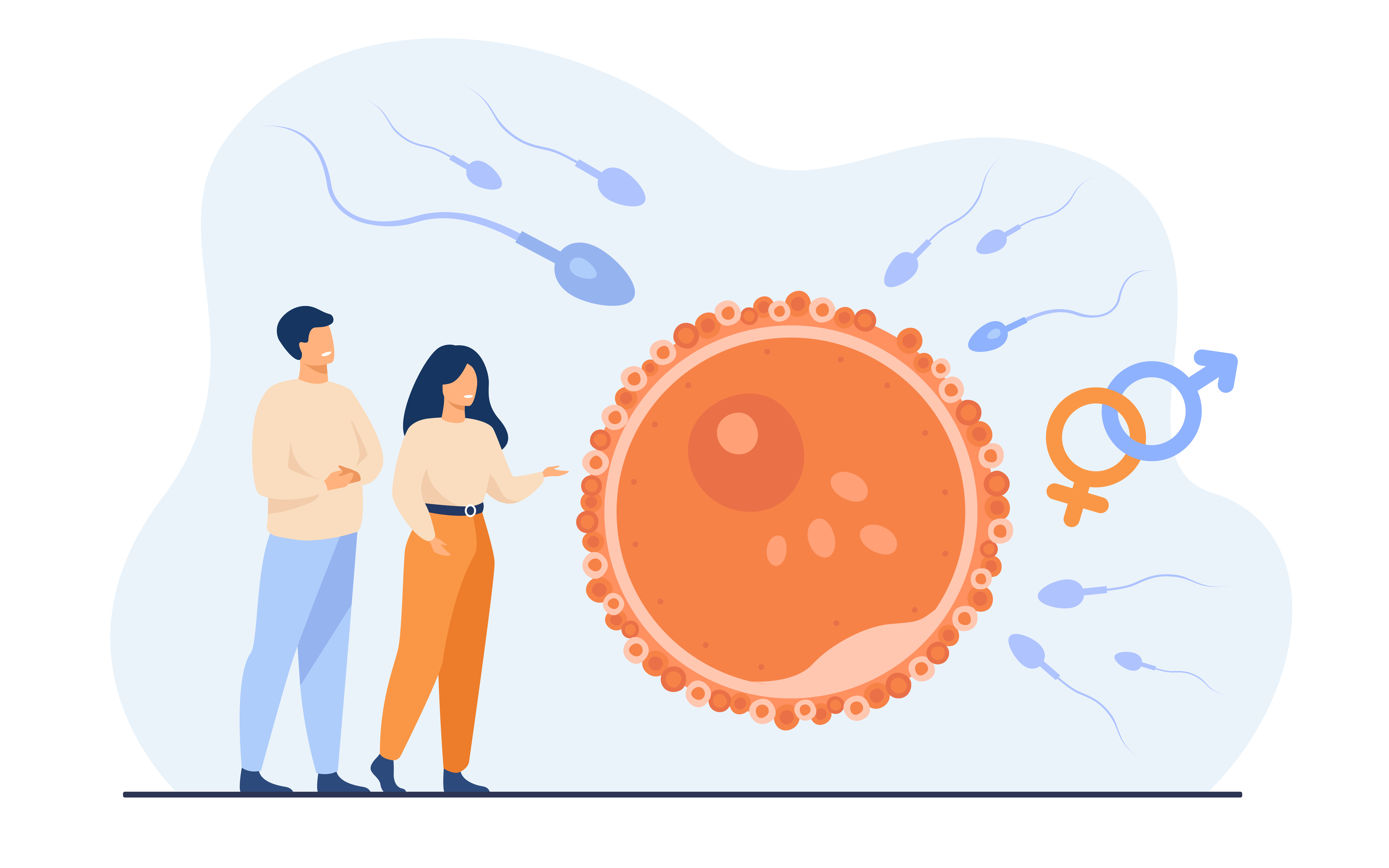
At AcuFEM, our In‑Vitro Fertilisation (IVF) service, also known as the “test‑tube baby” technique, helps individuals and couples conceive when natural pregnancy is difficult. IVF works by bringing eggs and sperm together in a lab to form an embryo, which is then gently placed into the uterus to support a healthy pregnancy.
What is In-Vitro Fertilisation and How IVF Works?
The word “In Vitro” literally means “in glass,” referring to the laboratory dishes used during the process. Here is how we guide you through the journey:
1. Ovarian Stimulation
To increase the chances of success, we use gentle medications to encourage the ovaries to produce several mature eggs instead of the usual single egg per month.
2. Egg Retrieval
Once the eggs are ready, a brief, minimally invasive procedure is performed to collect them. At the same time, a sperm sample is prepared.
3. Fertilization in the Lab
The eggs and sperm are brought together in a controlled environment. Our embryologists monitor them closely as they develop into embryos (early-stage fertilizations).
4. Embryo Transfer
One or more healthy embryos are carefully placed into the uterus. If the embryo attaches to the uterine lining, pregnancy begins.
Why Choose IVF at AcuFEM?
IVF is often recommended for a variety of reasons, including:
- Blocked or damaged fallopian tubes.
- Endometriosis or PCOS.
- Male factor infertility (low sperm count or motility).
- Unexplained infertility where other treatments haven’t been successful.
At AcuFem, we combine advanced reproductive technology with a personalized, patient-first approach to give you the best possible chance of growing your family.
Frequently Asked Questions
1. How long does a typical IVF cycle take?
A full IVF cycle usually takes about 4 to 6 weeks. This includes approximately 10–12 days of ovarian stimulation (injections), followed by the egg retrieval and then the embryo transfer. If you are doing a “Frozen Embryo Transfer” (FET) to allow your body to rest between stages, the process is split into two shorter windows over 2–3 months.
2. What is PGT-A testing, and do I need it?
Pre-implantation Genetic Testing (PGT-A) screens embryos for the correct number of chromosomes before they are transferred. In 2026, we often use non-invasive PGT-A, which analyzes the DNA in the fluid around the embryo without needing a biopsy. We typically recommend this for patients over 35 or those with a history of miscarriage, as it significantly reduces the risk of pregnancy loss.
3. Can I continue to work and exercise during IVF?
Absolutely. Most women continue to work throughout the stimulation phase. We recommend:
- Exercise: Switch to low-impact movement (walking, yoga) during stimulation. High-impact exercise or heavy lifting should be avoided as your ovaries temporarily enlarge.
- Work: You will only need to take the full day of egg retrieval off.
4. What happens if the first cycle doesn’t work?
It is completely normal for it to take more than one try. We view the first cycle as a valuable “diagnostic” tool. If a cycle is unsuccessful, our medical team performs a Cycle Review to adjust your protocol, medication dosages, or lab techniques for the next attempt.